
We provide a wide range of industrial chemical raw materials and intermediates used in plastics, polyurethane systems, detergents, coatings, construction chemicals, and general manufacturing. Our chemical portfolio is sourced from globally recognized producers, ensuring consistent quality, compliance, and supply reliability.
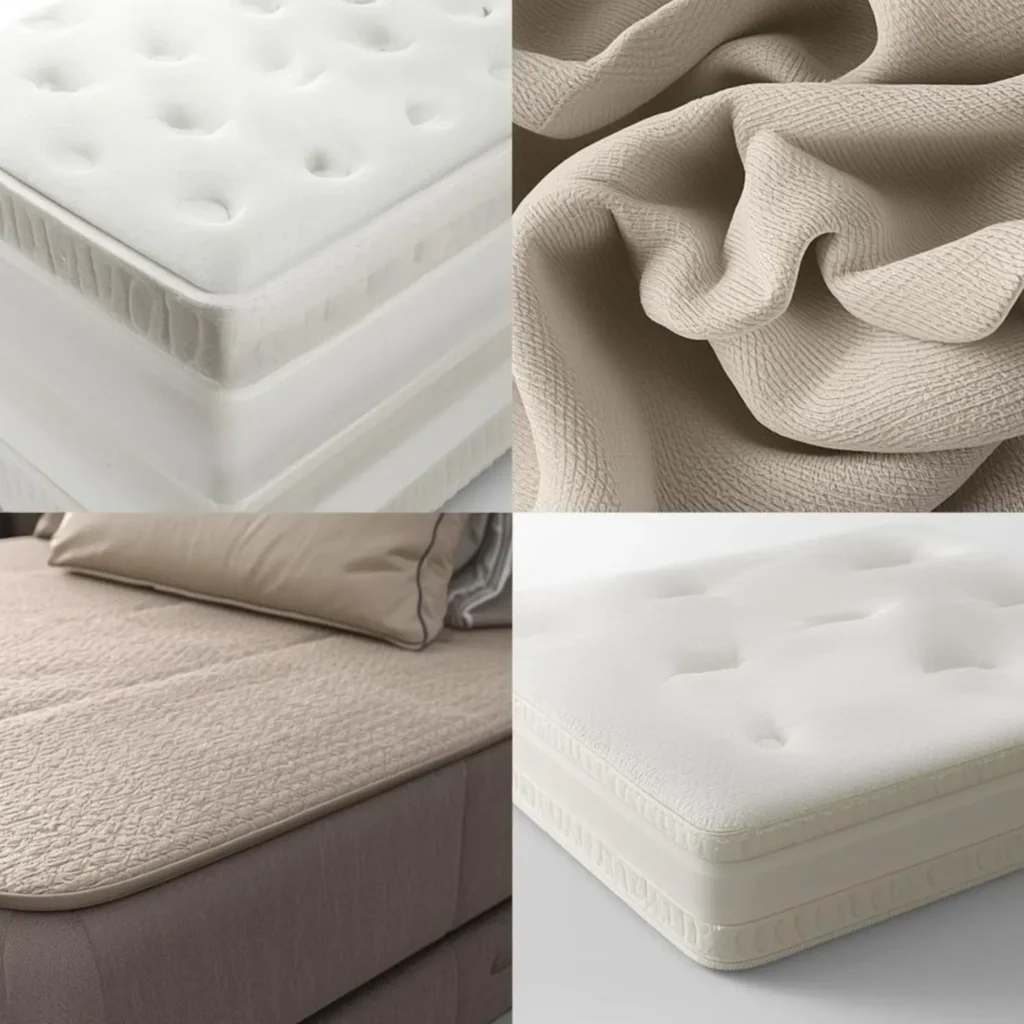
TDI (Toluene Diisocyanate) is a key raw material used in the production of flexible polyurethane foams. It offers excellent reactivity, elasticity, and cost efficiency, making it widely used in furniture, bedding, automotive seating, and cushioning applications.
TDI-based systems provide good resilience and comfort properties while maintaining consistent foam structure and processing stability.
MDI (Methylene Diphenyl Diisocyanate) is a versatile isocyanate used in rigid and semi-rigid polyurethane systems. It is known for its high mechanical strength, thermal insulation performance, and excellent adhesion.
MDI is commonly used in insulation panels, construction materials, refrigeration systems, and industrial binders.
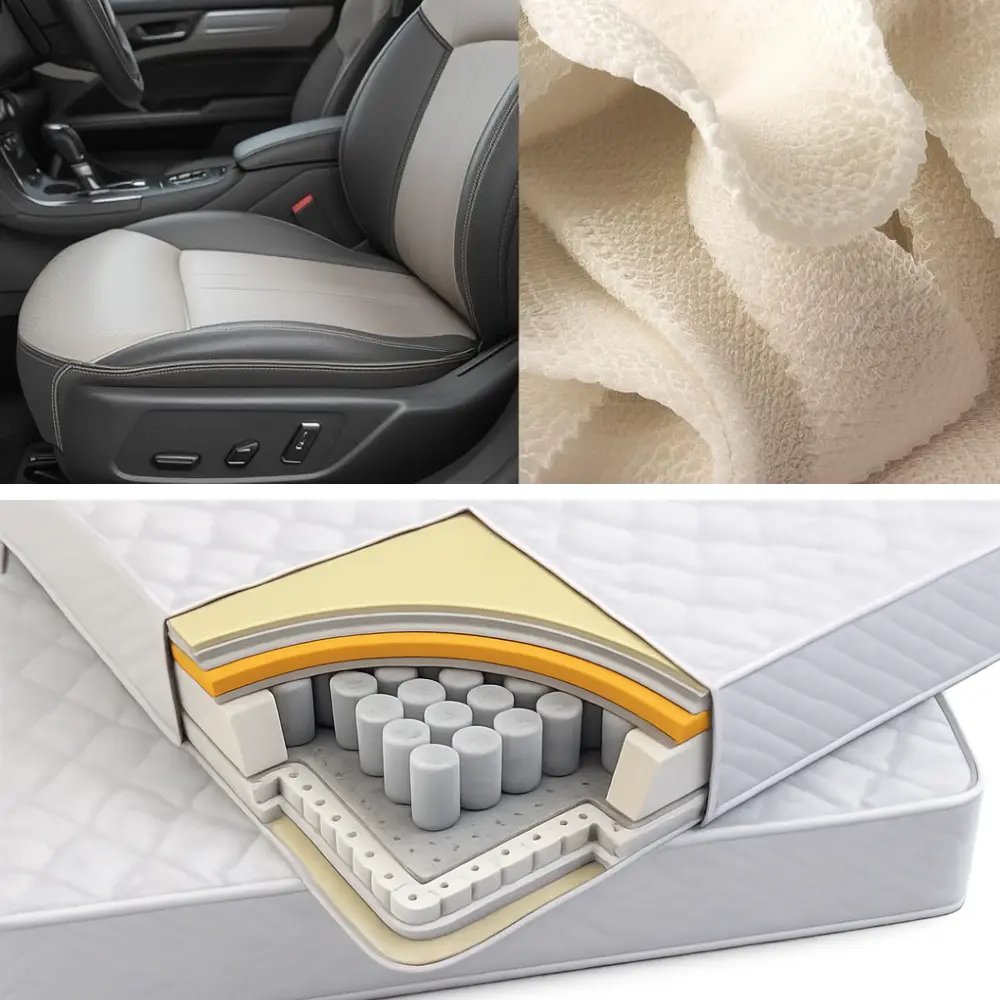
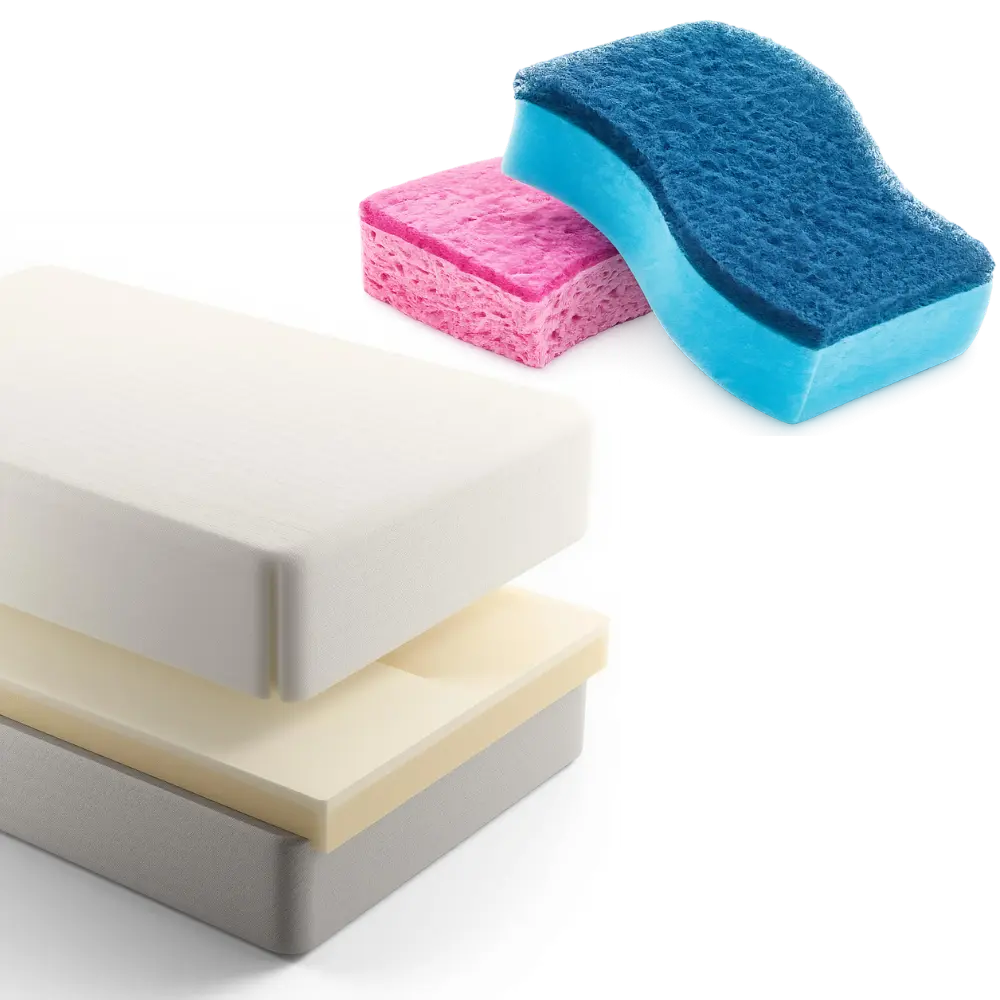
Polyols are essential components in polyurethane formulations, reacting with isocyanates to form flexible, rigid, or elastomeric PU materials. They offer control over foam density, hardness, and mechanical performance.
Polyols are used across a wide range of polyurethane applications, providing formulation flexibility and processing consistency.
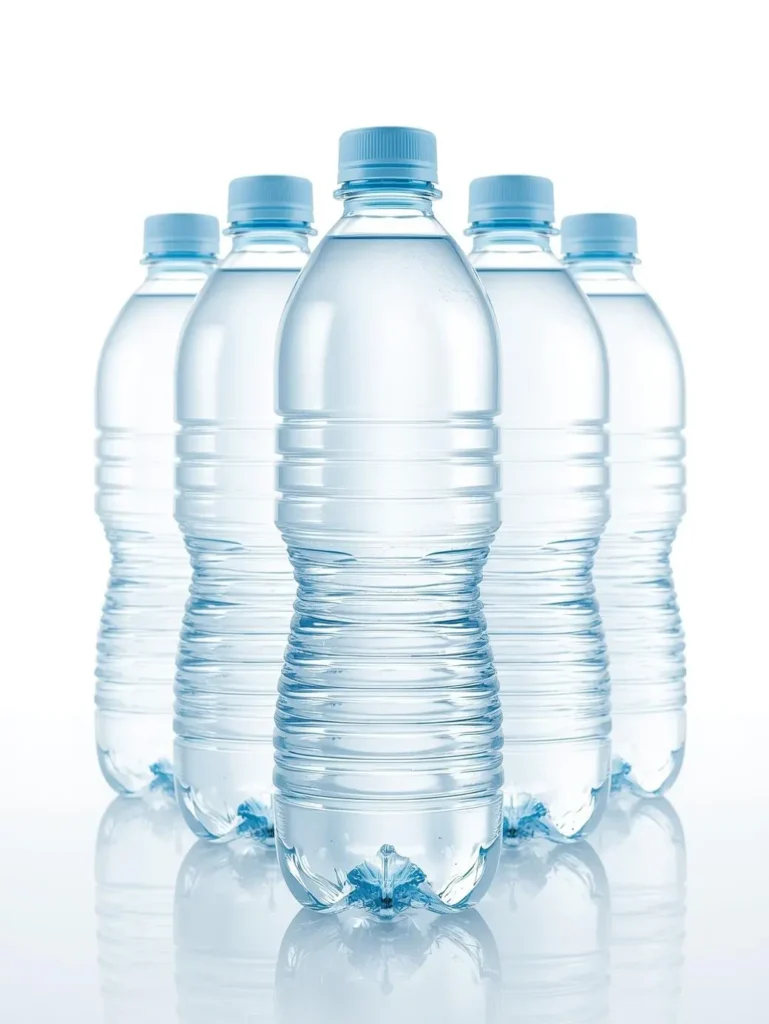
MEG (Monoethylene Glycol) is a widely used glycol known for its purity and excellent chemical stability. It is a primary raw material in polyester production and antifreeze formulations.
MEG provides efficient heat transfer, low volatility, and compatibility with industrial processing systems.
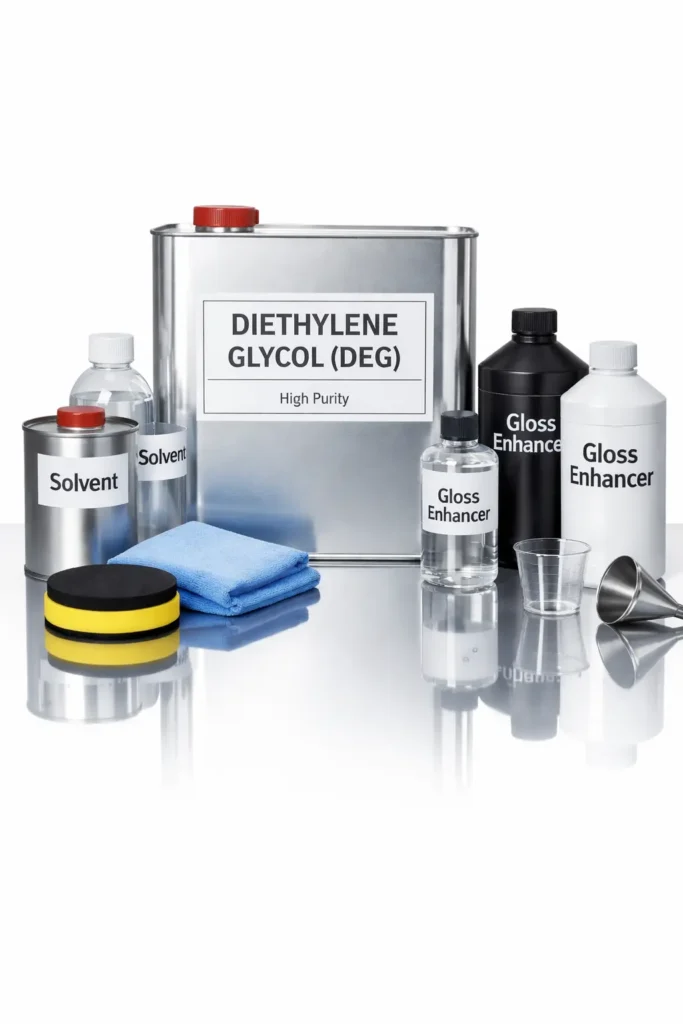
DEG (Diethylene Glycol) is a colorless, hygroscopic liquid used as a solvent and intermediate in chemical manufacturing. It offers good solvency, moisture retention, and processing efficiency.
DEG is commonly applied in resins, plasticizers, and industrial formulations.
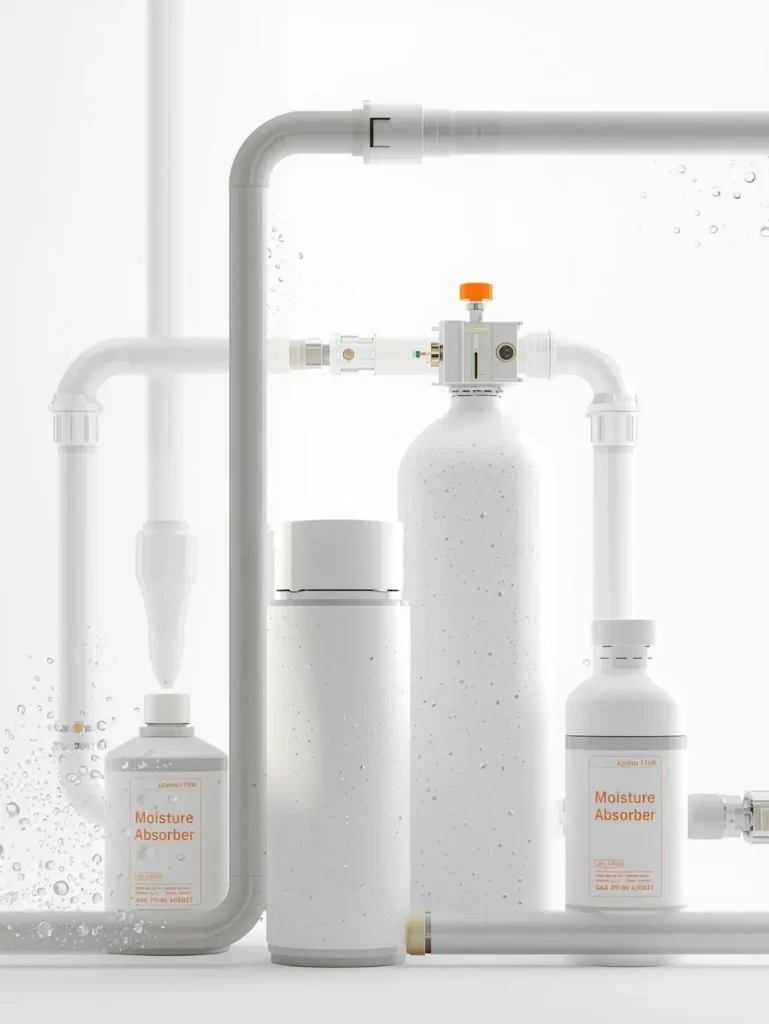
TEG (Triethylene Glycol) is primarily used as a dehydration agent and solvent in industrial applications. It is valued for its low volatility and strong hygroscopic properties.
TEG is widely used in natural gas dehydration and industrial fluid processing.
EO (Ethylene Oxide) is a highly reactive and versatile chemical intermediate primarily used in the production of ethylene glycols (such as MEG and DEG) and ethoxylates. It serves as a crucial building block for various chemical derivatives, making it widely utilized in manufacturing antifreeze, polyester textiles, detergents, and specialized surfactants.
EO-based derivatives provide excellent performance across industrial and consumer sectors, ensuring superior solubility, chemical stability, and efficiency in downstream manufacturing processes.

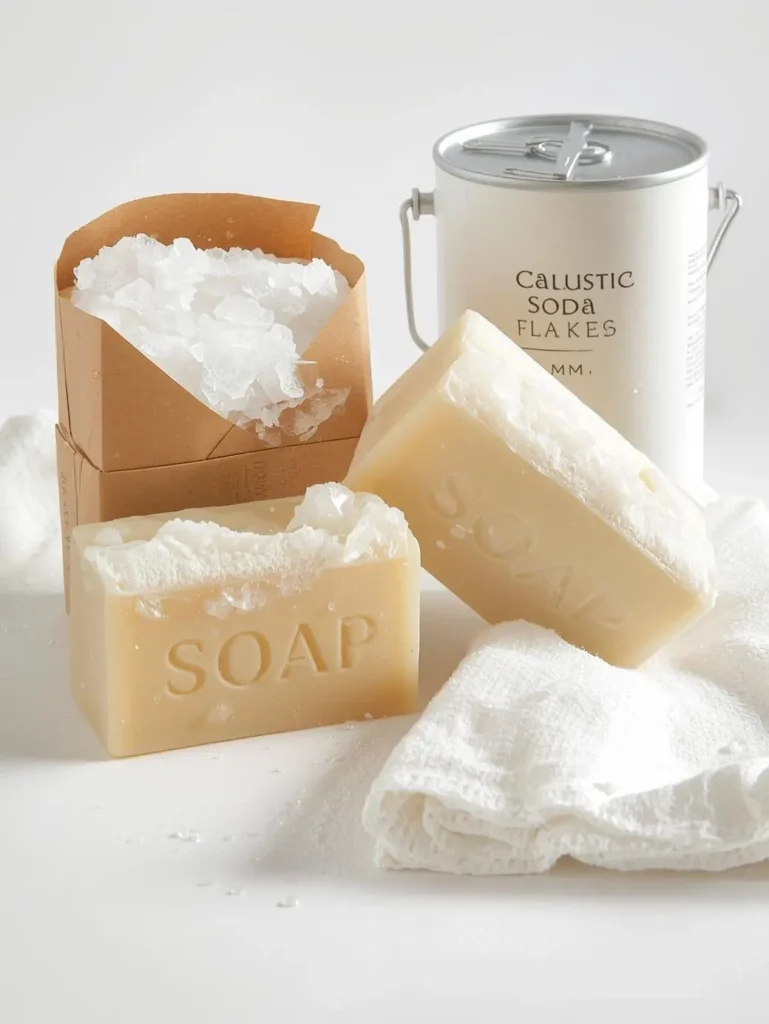
Caustic Soda (Sodium Hydroxide) is a strong alkali used extensively in chemical processing and industrial manufacturing. Available in liquid and flake forms, it provides high reactivity and reliable performance.
It is essential in detergent production, water treatment, and various chemical reactions.
Liquid Chlorine is a critical chemical used in water treatment and industrial processing. It provides effective disinfection and chemical reactivity.
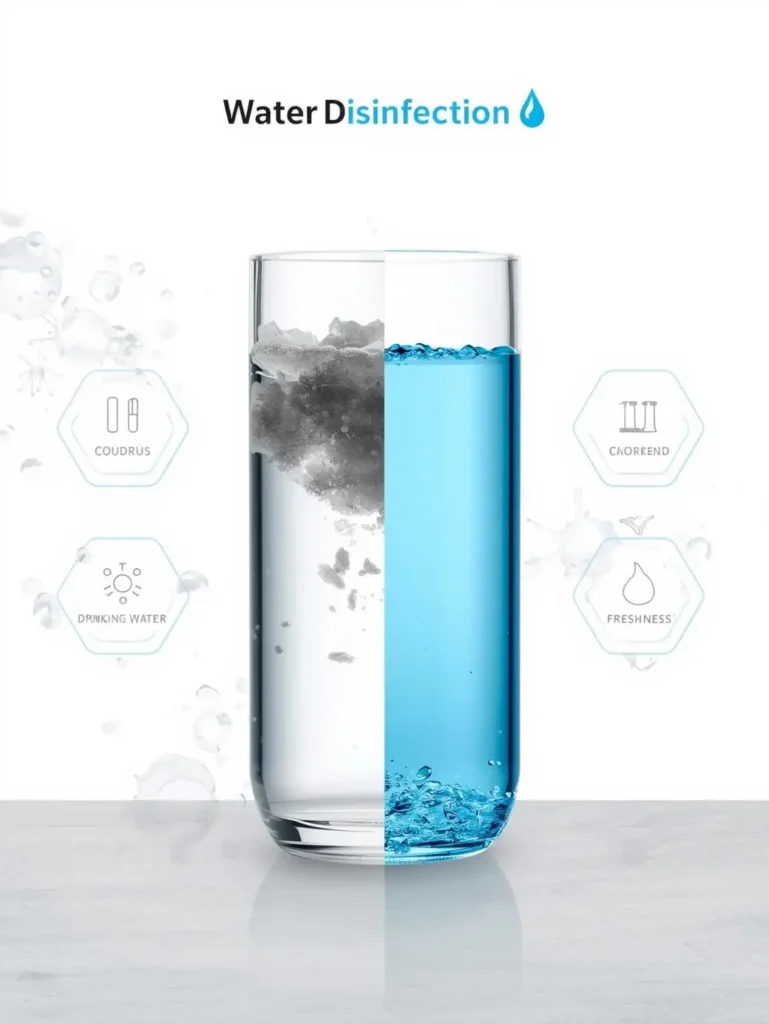
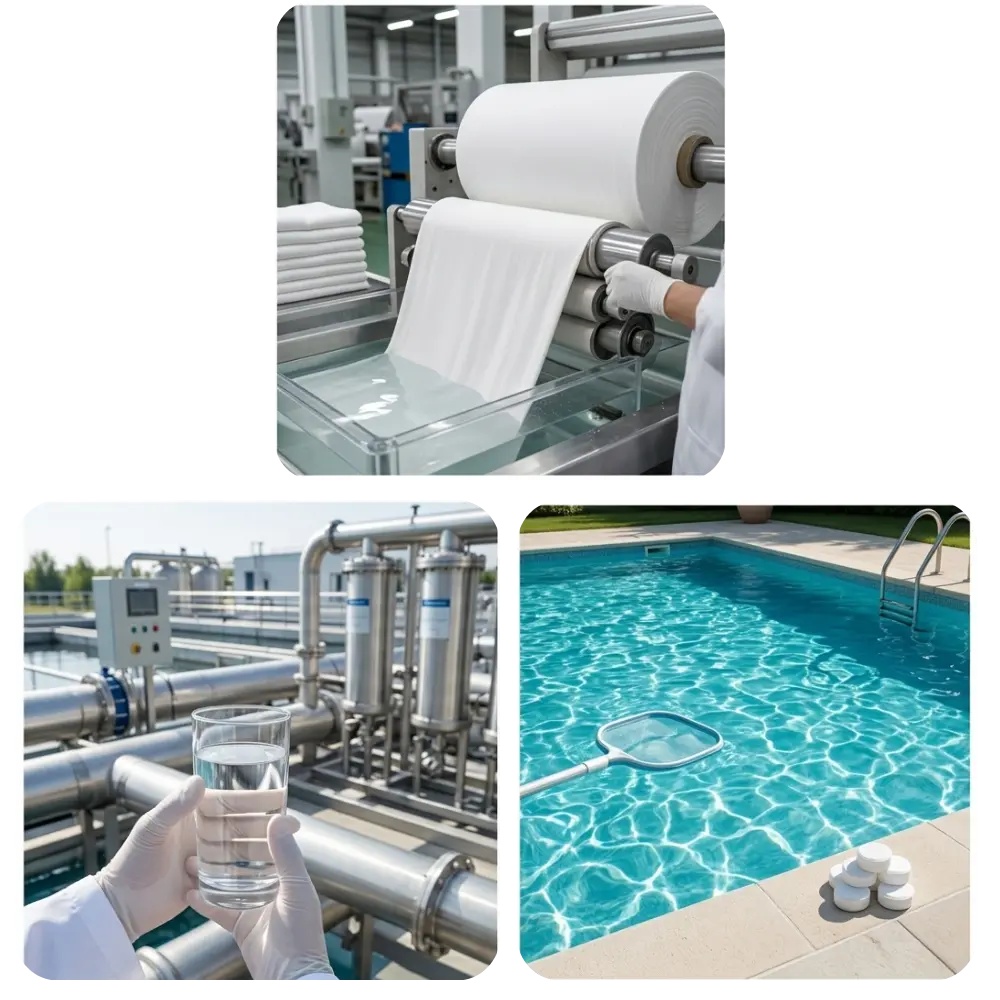
Calcium Hypochlorite is a highly effective chlorine-based bleaching and disinfecting agent, widely recognized for its stability and strong oxidizing properties. It is extensively utilized in municipal water treatment, swimming pool sanitation, and industrial wastewater management.
By offering a high concentration of available chlorine, Calcium Hypochlorite ensures rapid and reliable microbial control, while maintaining excellent storage stability and cost-efficiency for large-scale purification processes.

Acetic Acid is an important organic acid used as a chemical intermediate and solvent. It plays a key role in the production of coatings, adhesives, and industrial chemicals.
Sulfuric Acid is a highly reactive inorganic acid widely used in industrial processing. It is essential in chemical manufacturing, refining, and water treatment applications.
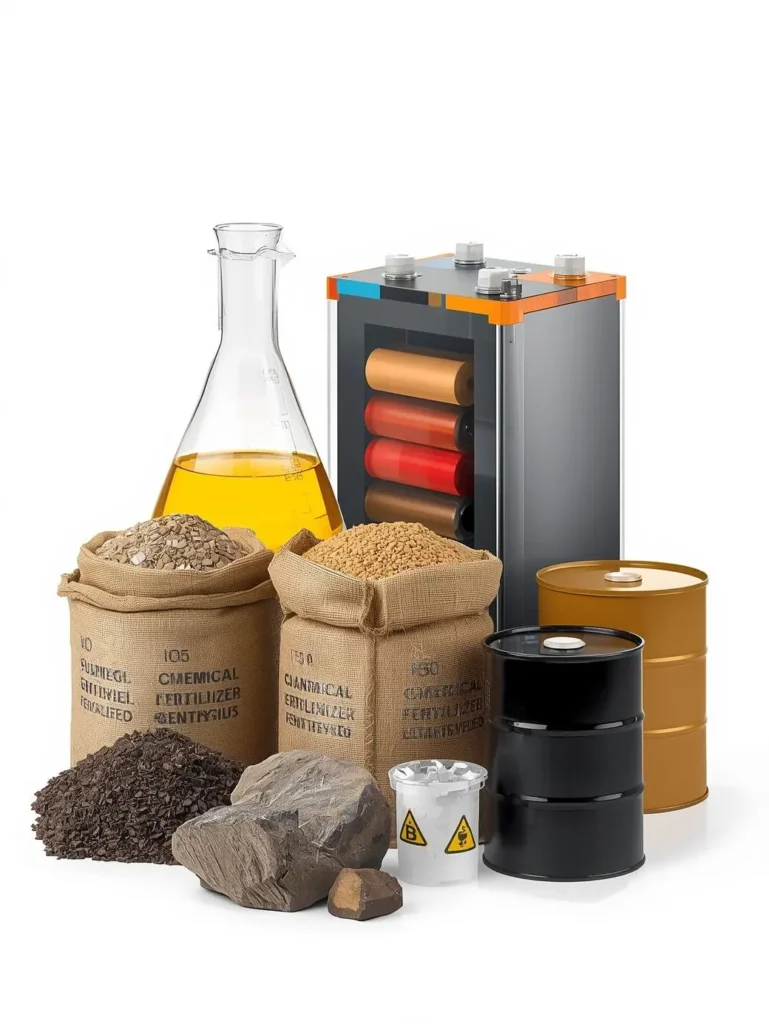
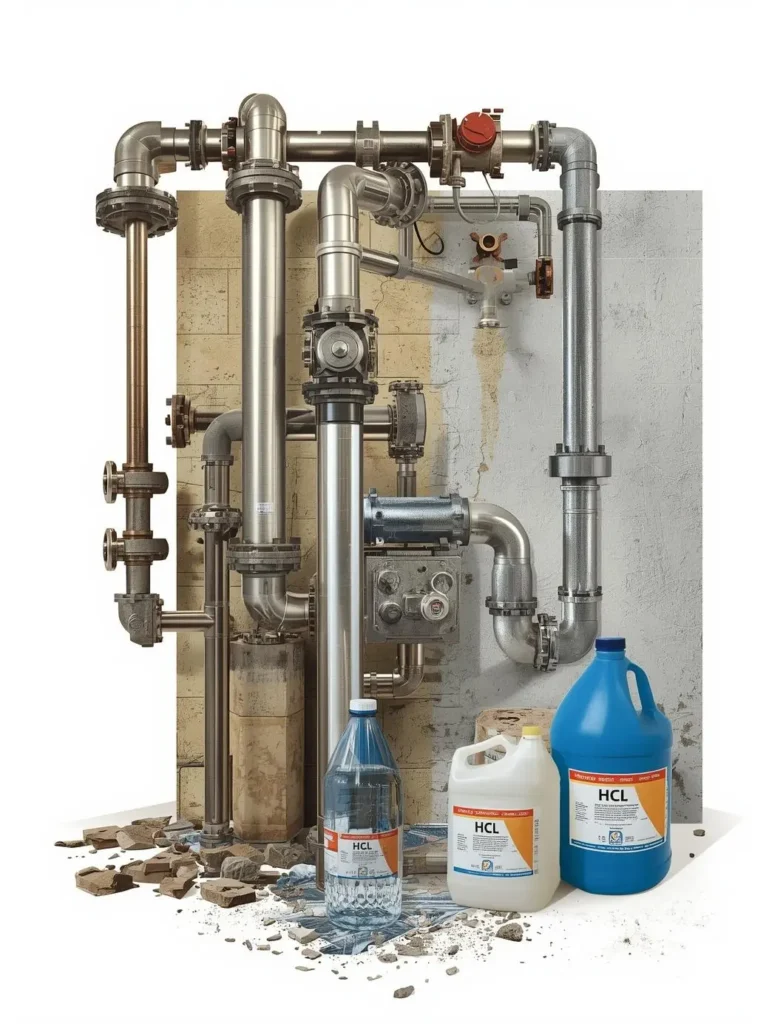
Hydrochloric Acid (HCl) is a strong mineral acid commonly used for metal treatment, cleaning, and chemical reactions. It provides effective pH control and surface preparation.
MEA (Monoethanolamine) is an important amine used in gas treatment, detergents, and chemical formulations. It offers excellent absorption and neutralization properties.
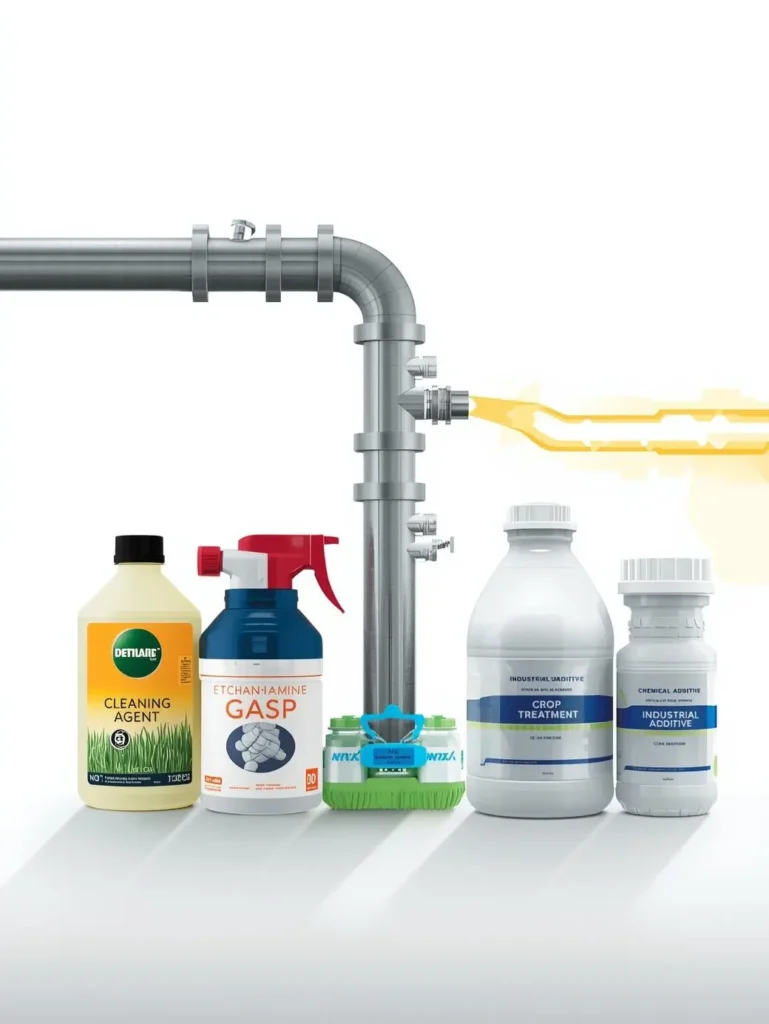
2EH (2-Ethylhexanol) is a versatile alcohol used in plasticizers, coatings, and chemical intermediates. It provides flexibility, durability, and processing stability.
n-Butanol (Normal Butanol) is a widely used solvent and intermediate in industrial chemical manufacturing. It offers good solvency and compatibility with resins and coatings.
VAM (Vinyl Acetate Monomer) is an essential monomer used in polymer and resin production. It is widely used in adhesives, coatings, and packaging materials.
IB (Isobutanol) is a clear, neutral, liquid chemical intermediate and solvent used in the production of coatings, resins, cleaners, and other industrial formulations. It offers excellent solvency, stability, and evaporation characteristics, making it widely used in automotive, wood, and industrial finishing applications. Isobutanol-based solutions provide enhanced performance and flow properties while maintaining the consistent chemical structure and processing stability of finished products.

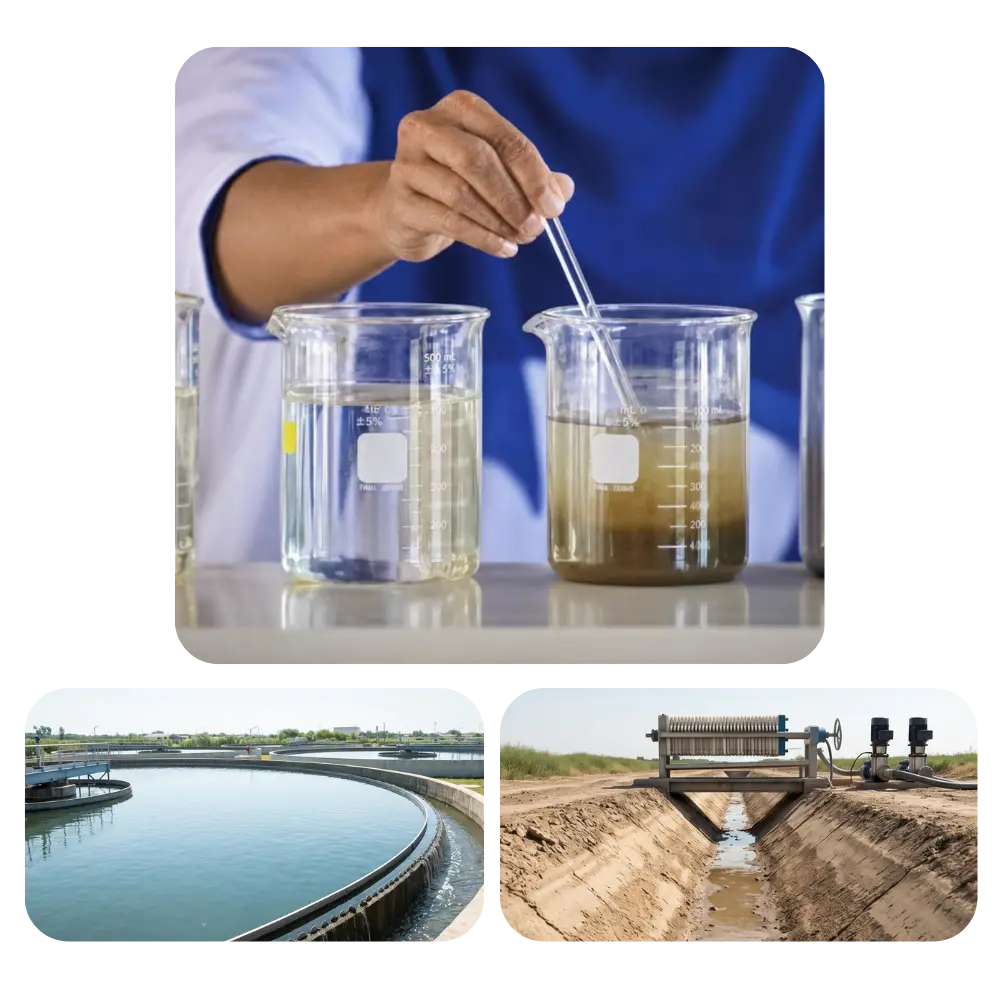
Ferric Chloride is a highly effective primary coagulant and flocculating agent, predominantly utilized in industrial and municipal water and wastewater treatment. It offers superior performance in the removal of heavy metals, suspended solids, and phosphorus, making it an essential component for environmental compliance and water purification.
Beyond water treatment, its strong chemical properties make it valuable in printed circuit board (PCB) etching, pigment manufacturing, and metallurgical processes, ensuring operational efficiency and consistent results across diverse industrial applications.
BBR (Butene Raffinate) is a fundamental C4 petrochemical stream primarily used as a key building block intermediate in downstream manufacturing. Comprising various butene isomers, including isobutylene and 1-butene, it serves as a critical raw material for the production of high-value derivatives such as MTBE (fuel additive), methyl ethyl ketone (MEK), and various performance polybutenes.
BBR-derived systems play an essential role in the automotive, construction, and adhesive industries, contributing significantly to octane enhancement, solvency control, and the enhancement of resilience and flow properties in finished products while maintaining consistent chemical structure and processing stability.
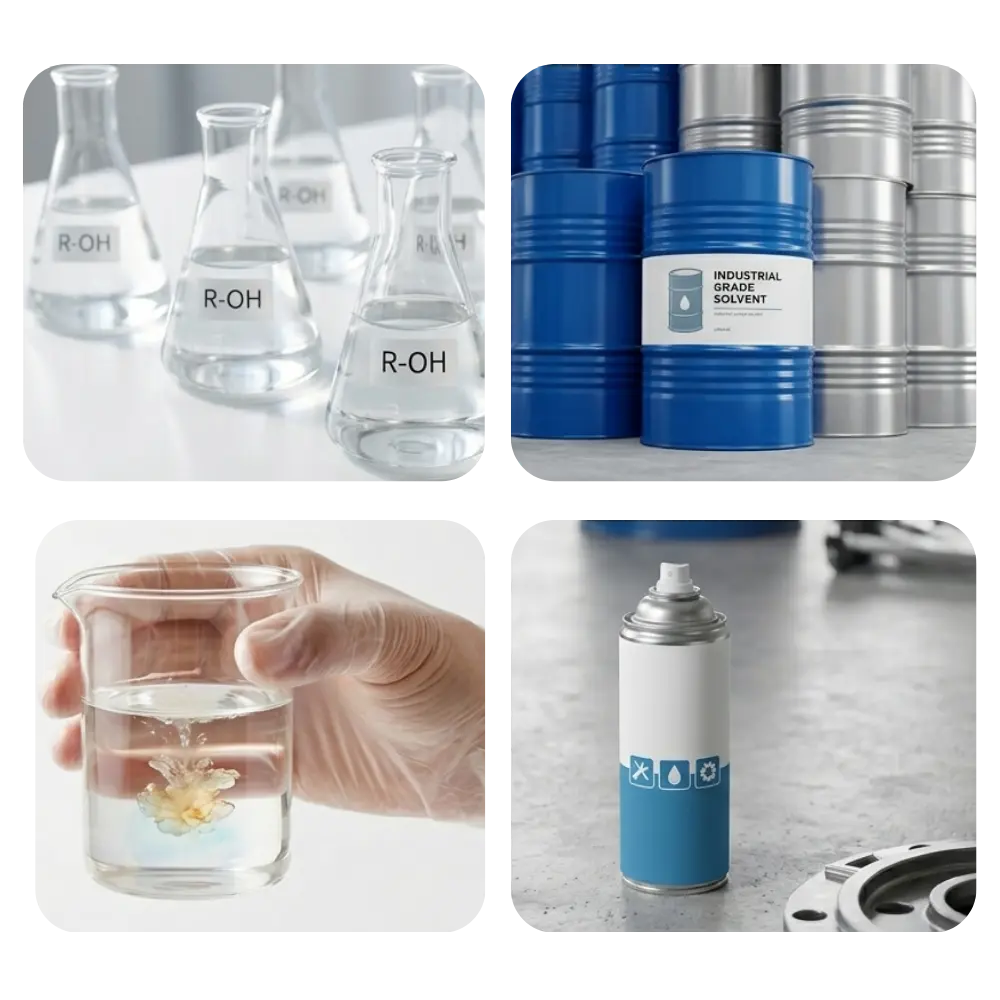
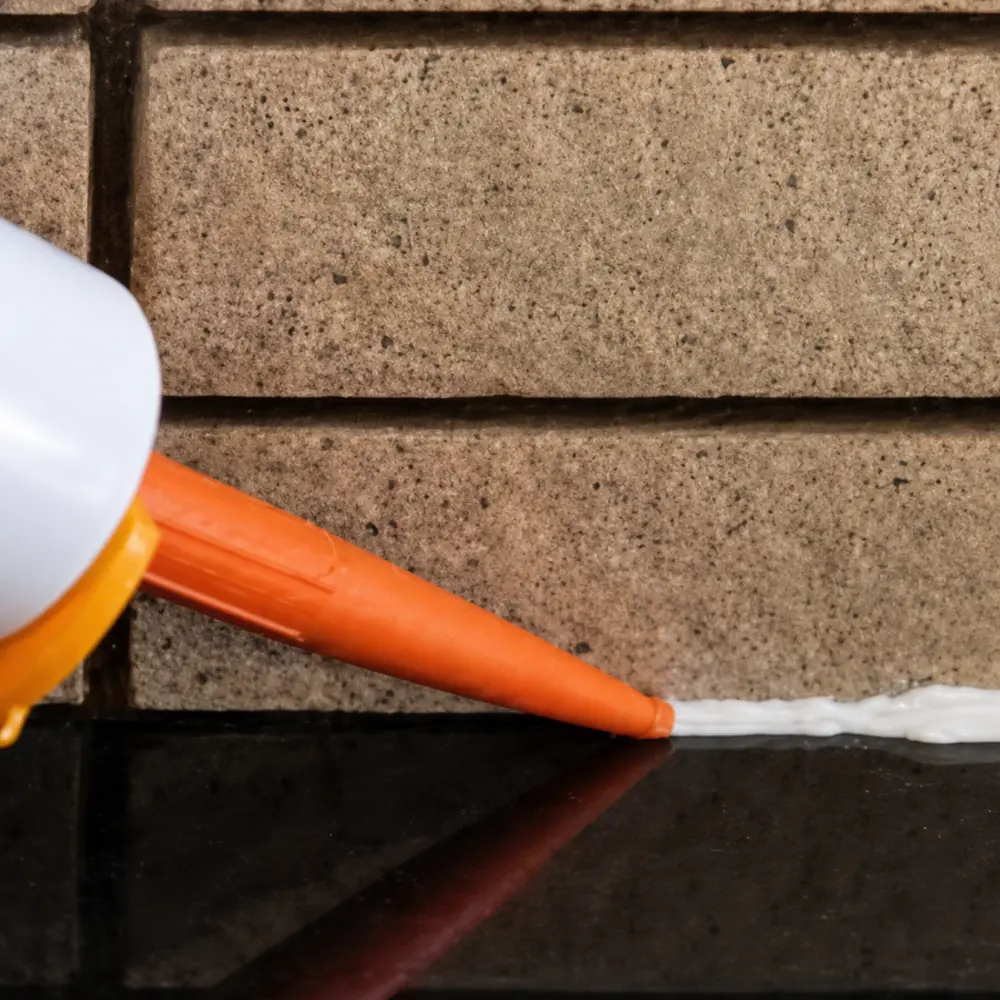
Chlorinated Paraffin (CP) is a versatile and highly functional chemical additive and secondary plasticizer, primarily utilized in the production of flexible PVC (Polyvinyl Chloride) formulations. It offers excellent compatibility, chemical stability, and crucial flame-retardant properties, making it widely used in manufacturing electrical cables, flooring, hoses, and automotive parts.
Chlorinated Paraffin-based solutions provide enhanced processability and durable flexibility while offering flame-retardant performance and acting as an extreme pressure lubricant in metalworking fluids, ensuring consistent quality and performance in diverse industrial and consumer sectors.
LAB (Linear Alkyl Benzene) and LABSA (Linear Alkyl Benzene Sulfonic Acid) are core raw materials for detergent and surfactant manufacturing, offering excellent cleaning performance.
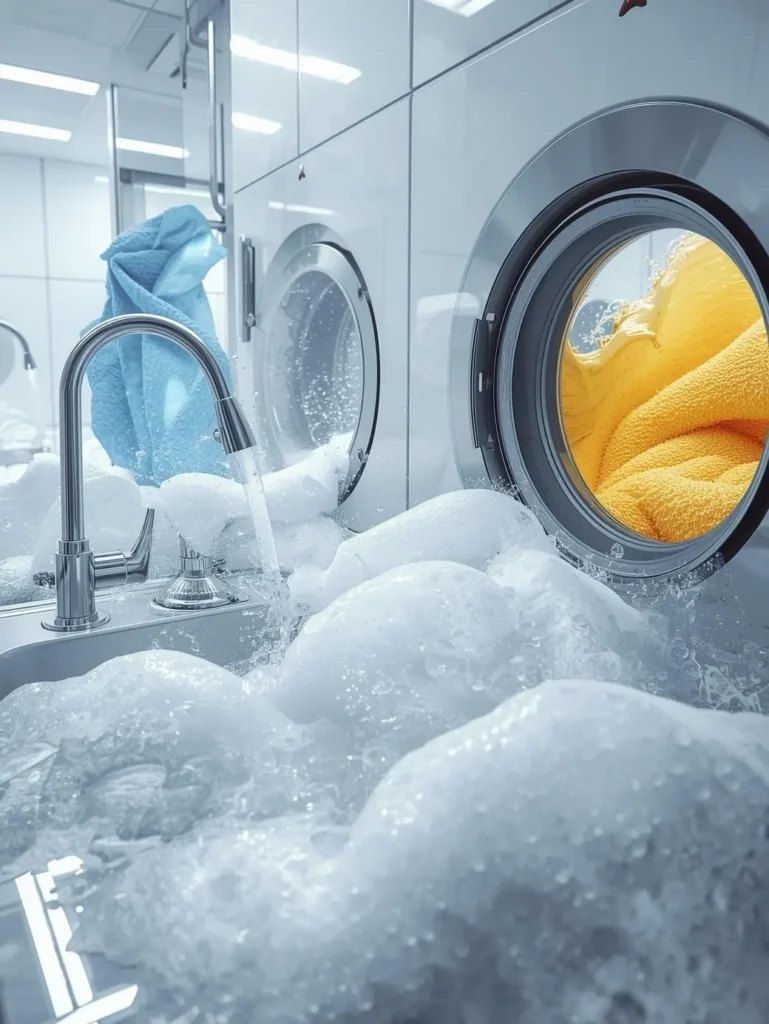

Nonylphenol Ethoxylate (NPE) is a non-ionic surfactant characterized by excellent detergency, emulsifying, and wetting properties. It is a versatile chemical intermediate and functional additive widely used in industrial and institutional (I&I) cleaners, textile processing, and emulsion polymerization.
Due to its excellent solvency and stability across a wide pH range, NPE-based formulations provide superior performance in soil removal, oily stain dispersibility, and emulsion stabilization, ensuring high efficiency in diverse manufacturing and cleaning processes.
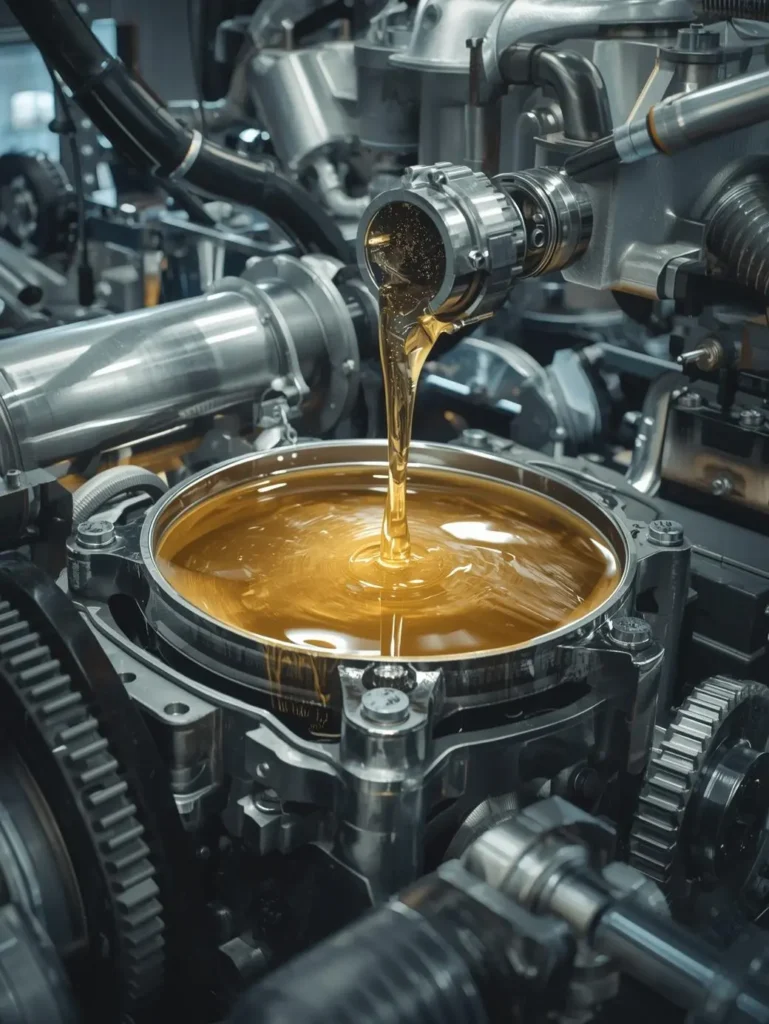
Base Oil is a key raw material for lubricant production, offering thermal stability and viscosity control. It is used in automotive and industrial lubricant formulations.
Cracked Fuel Oil (CFO) is a heavy aromatic petroleum cut derived from the cracking of hydrocarbons. Rich in polycyclic aromatic hydrocarbons (PAHs), it serves as a high-value feedstock primarily for the production of carbon black and industrial-grade naphthalene. Its unique high-aromatic profile also makes it an essential component in heavy-duty fuel blending and the manufacturing of advanced aromatic solvents.


Heavy Alkyl Benzene (HAB) is a high-boiling specialty hydrocarbon byproduct derived from the production of Linear Alkyl Benzene (LAB). Known for its excellent thermal stability, oxidation resistance, and high flash point, HAB serves as an ideal synthetic base stock. It is widely utilized in the formulation of heat transfer fluids, specialized lubricating oils, and electrical insulating oils, while also acting as a key intermediate for manufacturing industrial sulfonated derivatives.
Slack wax is a crude wax produced during the refining of lubricant base stocks. Rich in oil content, it serves as an essential feedstock for manufacturing fully refined paraffin and microcrystalline waxes. Due to its excellent water repellency and binding properties, it is widely utilized in the production of wax emulsions, matches, candles, and rust preventives.


Ensure stable sourcing, certified materials, and long-term supply reliability for your production operations across Europe, Middle East, Africa, and CIS.
You can fill out the form to get a quick offer from us.